

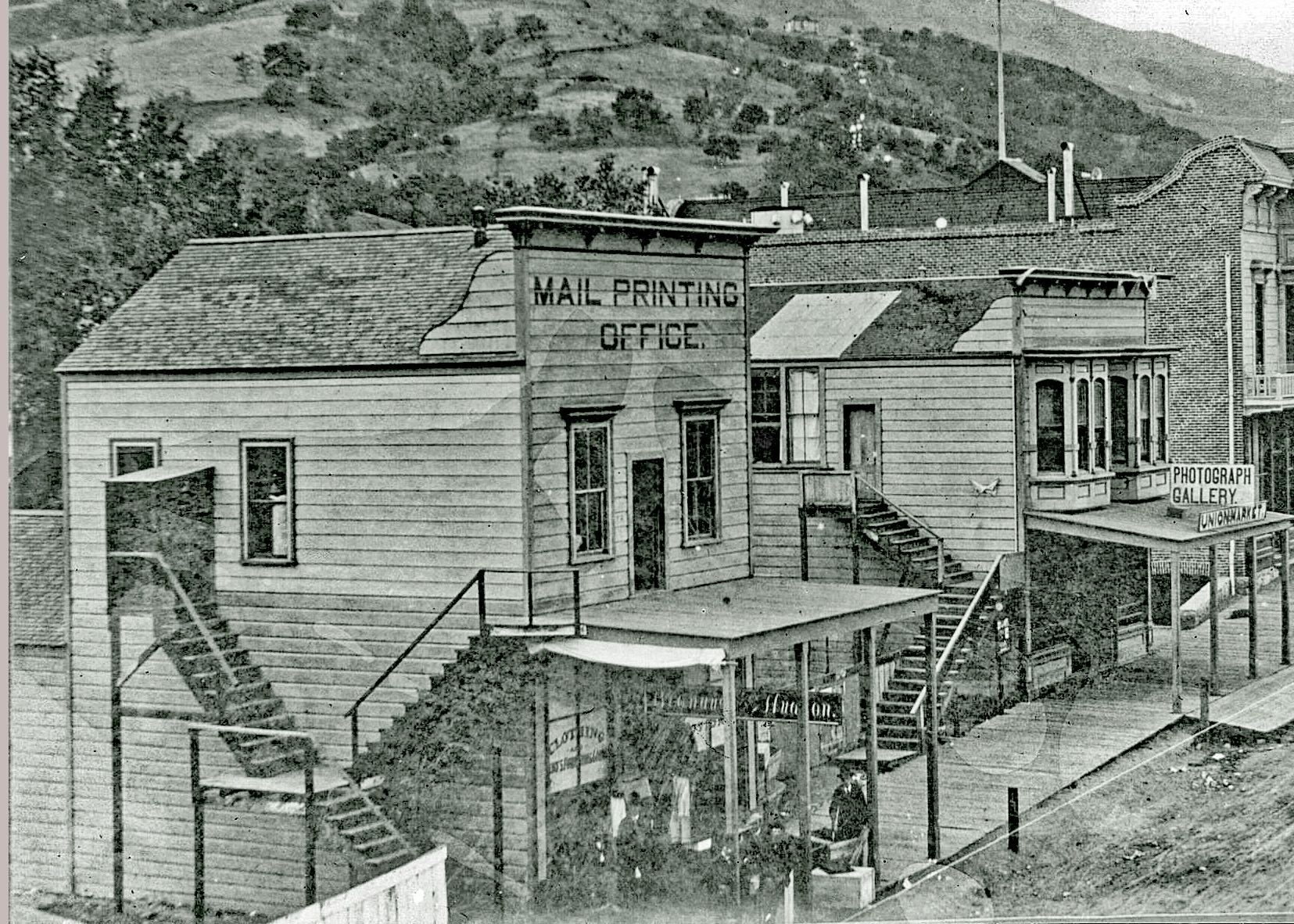
During a walk along North Santa Cruz Avenue, it is easy to take for granted the stack of newspapers sitting in Los Gatos Roasting Company and in other local coffee houses. In a town like ours, where debate over housing developments, Town Council budgets and school board decisions can spark heated community dialogues, it can feel as if we have always had a reliable town square.
But as history reveals, a community’s voice is never a given. It must be built, page by page, issue by issue.
In his book Empire of Ink: The Printers, Rogues, and Radicals Who Invented the American Newspaper, historian Alex Wright traces the origins of the American press. Between the Revolutionary War and the dawn of the 20th century, the number of newspapers across the nation expanded exponentially. It was a bottom-up media explosion driven by local printers, reformers and independent observers who set up shops on main streets across the nation. Wright recounts how itinerant tradespeople carrying little more than pocket toolkits, would arrive in frontier settlements, set up hand-cranked presses and immediately give a community its first formal voice.
What Wright makes clear in Empire of Ink is that early American journalism was about relaying factual updates and serving as the glue that bound new towns together. Long before national wire syndicates existed, local editors relied on a “postal exchange” system, exchanging free copies with neighboring towns so citizens could track nearby developments, debate regional policies and keep a watchful eye on power. Local papers gave citizens a shared reality. They offered a place where neighbors could argue about local governance and celebrate community milestones. The early press was noisy, imperfect and local, but it laid the bedrock for American democracy.
Fast-forward to today, and the media landscape looks different, yet similar in its challenges.
We live in an era dominated by global digital platforms, nationalized partisan outrage, and algorithmic feeds designed to keep our eyes glued to national controversies. Over the last two decades, thousands of local newspapers across the United States have shuttered, creating vast “news deserts” where local corruption goes unchecked, school board elections pass without coverage and public engagement plummets. When a town loses its paper, it loses its mirror.
That is precisely why local publications like the Los Gatan matter.
While national headlines dominate television screens, local journalism is where national ideals meet real life. The decisions that most directly affect our daily lived experience, such as the preservation of our open spaces, fire safety, traffic planning along Highway 17 and the funding of our local schools, happen right here in our backyard.
Without independent, on-the-ground reporting, who holds public officials accountable? Who tells the story of the high school athlete, the merchant celebrating 30 years on Main Street or grassroots efforts like Los Gatos Thrives engages in, as they work to build a new community center?
Empire of Ink reminds us that journalism has always been a public trust, driven by people who believe that an informed public is the prerequisite for a healthy community. Early American townspeople read and championed their local papers. They understood that supporting the local press was an investment in their own self-governance.
Today, supporting local journalism requires that same commitment from us. It means taking ten minutes out of a busy morning to read local reporting. It means engaging thoughtfully in town debates armed with verified facts rather than social media rumors. And for local business owners, it means recognizing that advertising in a community paper is marketing and is sustaining the civic infrastructure of the town you do business in.
We often think of freedom of the press as an abstract constitutional right guarded by national newsrooms in Washington or New York. But as Alex Wright’s history demonstrates, the real engine of American journalism has always been local. It lives in the small-town newsrooms, the dedicated reporters attending late-night planning commission meetings and the readers who care enough to stay informed.
The technology of news delivery will continue to evolve, but the core principle behind Empire of Ink remains unchanged: a community cannot govern itself if it does not know itself.
So, the next time you pick up a copy of the Los Gatan, remember that you are reading news and participating in a long tradition of self-governance. Let’s make sure we keep the ink flowing.
*The photo credit was updated.








Totally agree. Thank you.