

After more than a decade of matched, monochrome interiors, decorating across the country is turning in another direction. Rooms are becoming layered again: mixed wood tones, inherited furniture beside newer pieces, patterned textiles, natural materials and objects collected over time.
In Los Gatos and Saratoga, the shift feels particularly apt. Our Craftsman houses, bungalows and homes dating to the valley’s orchard years were not designed to be stripped of character and filled with interchangeable furniture. Wood, proportion, texture and evidence of the human hand are part of their architecture. Those are the qualities decorating is rediscovering.
The look has returned. Much of the knowledge behind it has not.
What the old chest knew
An old walnut chest was valuable because of how it was made: hand-fitted joinery, solid wood selected for its purpose, drawers built to run for decades and brass hardware that could be repaired rather than replaced.
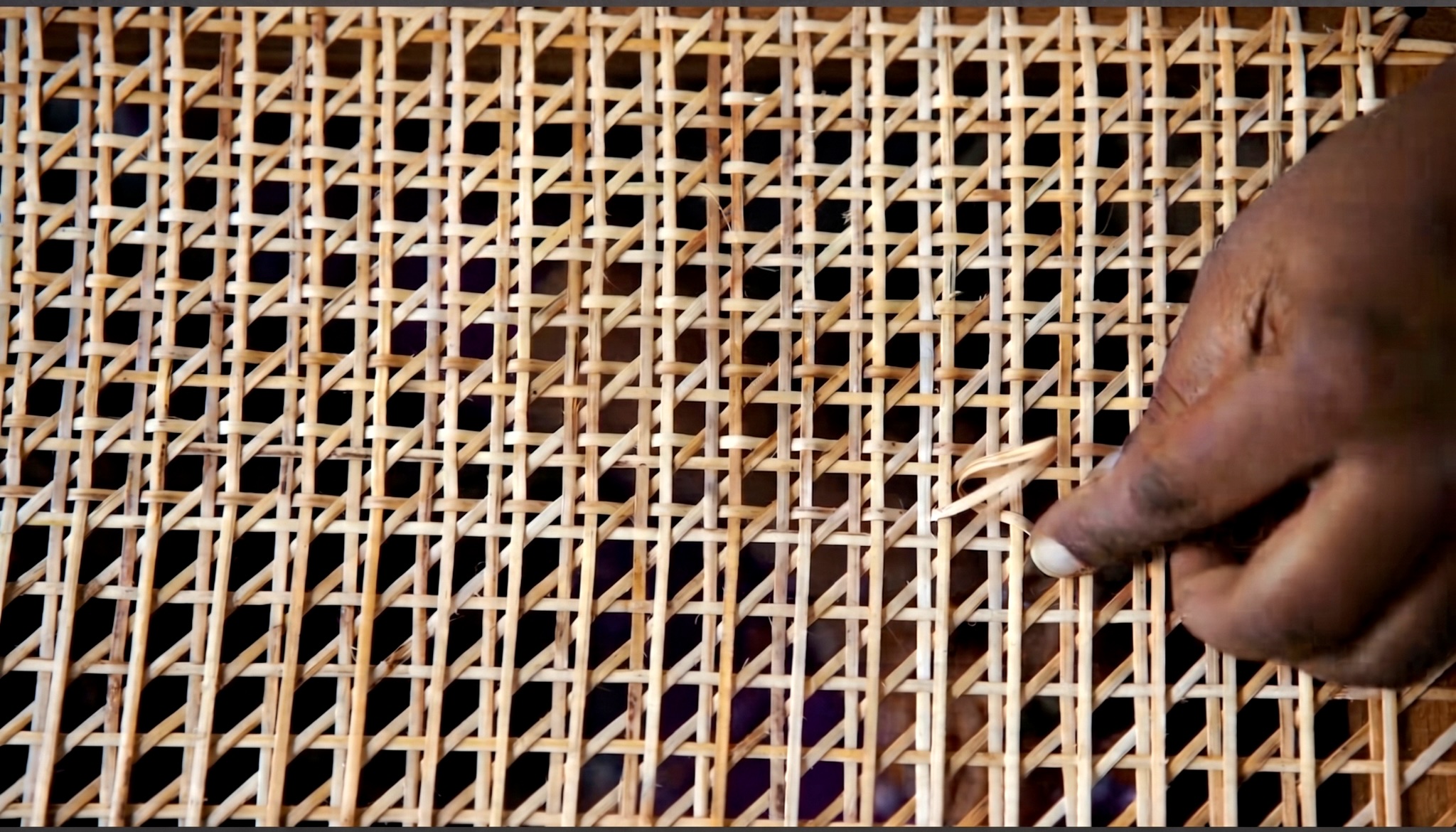
Some pieces held hidden drawers or fitted interiors known only to their owners. A caned seat required an understanding of the material, the pattern and the tension it could bear. A hand-rubbed finish was not simply color applied to wood. It was a surface developed slowly and made to be renewed.
During the decades when mass production and minimal interiors dominated the market, demand for many of these skills weakened. Workshops closed, apprenticeship paths narrowed and experienced cabinetmakers, caners, carvers, finishers and upholsterers retired without obvious successors.
Mass production did more than put pressure on price. It weakened the network of workshops through which knowledge had passed from one generation to the next.
The knowledge has not vanished. Skilled makers and restorers continue to work in the United States and around the world, often in small workshops rather than large manufacturing systems. What has declined is the structure that once made their knowledge easier to learn and pass on.
An American antique furniture restorer, who I spoke with recently, travelled to the United Kingdom for courses in traditional joinery and restoration because he could not find comparable training in the United States. The skills were still being taught, but not where he lived—and not through an accessible apprenticeship system capable of preparing another generation.
An apprenticeship requires steady work, qualified teachers and years of patient investment. It cannot be assembled during a brief revival in decorating. When a workshop closes without someone prepared to continue its methods, the knowledge does not remain neatly stored until taste changes again. Much of it leaves with the people who practiced it.
The survival of these trades depends on more than admiration for handmade objects
The survival of these trades depends on more than admiration for handmade objects. It requires sustained commissions, viable workshops and serious training—not occasional enthusiasm when the handcrafted look returns to fashion.
Looking aged, or aging well
The same restorer told me that genuinely high construction standards are uncommon in much of the furniture manufactured today. Too often, the timber is too thin to withstand the test of time, or the underlying material was never intended to remain structurally sound through decades of wear and repair.
Part of the problem is availability. The mature, slow-grown timber found in much older furniture is scarcer and more expensive, after generations of intensive logging and deforestation. We should not try to preserve traditional furniture by returning carelessly to the forestry practices of the past.
But scarcity explains only part of the change. The larger force is commercial. Many contemporary furniture pieces are designed to capture a trend, meet a price point and be replaced when taste changes—not to remain useful long enough to acquire a history.
Mass-market manufacturers can reproduce a silhouette almost overnight: legs machine-turned at industrial speed, hardware stamped from lightweight metal, distressed finishes sprayed-on and printed veneer glued over composite board. A bank of drawers may be molded as a single façade. The result is labeled “heritage” or “artisan.”
It may resemble the object that inspired it, but the brass is not solid, the drawers are not fitted and the veneer is too thin to restore. Looking aged—rather than aging well—was the entire brief.
Natural materials alone do not make furniture sustainable. A piece must also be constructed so its joints can be tightened, its surface renewed, its upholstery replaced and its damaged parts repaired. Otherwise, even furniture marketed as natural or handcrafted remains disposable.
A trend can put the appearance of craftsmanship into a living room by next season. It cannot give someone decades of training or rebuild the system that once allowed those skills to pass from one pair of hands to another.
What we choose to pass on
The furniture made for an old Los Gatos house was never merely decoration. It represented someone’s livelihood, staked on a joint holding, a drawer continuing to run true and a hinge remaining secure long after its maker was gone.
When we repair an inherited table, reupholster a sound frame or commission a skilled maker and pay fairly for the work, we do more than preserve an object. We create the demand that allows a workshop to remain open and gives someone a reason to learn the work.
The return of handcrafted interiors presents a choice: We can purchase the appearance of age from manufacturers built around speed and replacement, or we can support the slower system that produces furniture capable of acquiring a history of its own.
Taste brought the silhouette back. Whether the knowledge behind it survives depends on what we value after the trend moves on.
Reeva Sethi is the founder of Reeva Sethi Home, a furniture showroom and interior design studio in Saratoga. reevasethi.com