

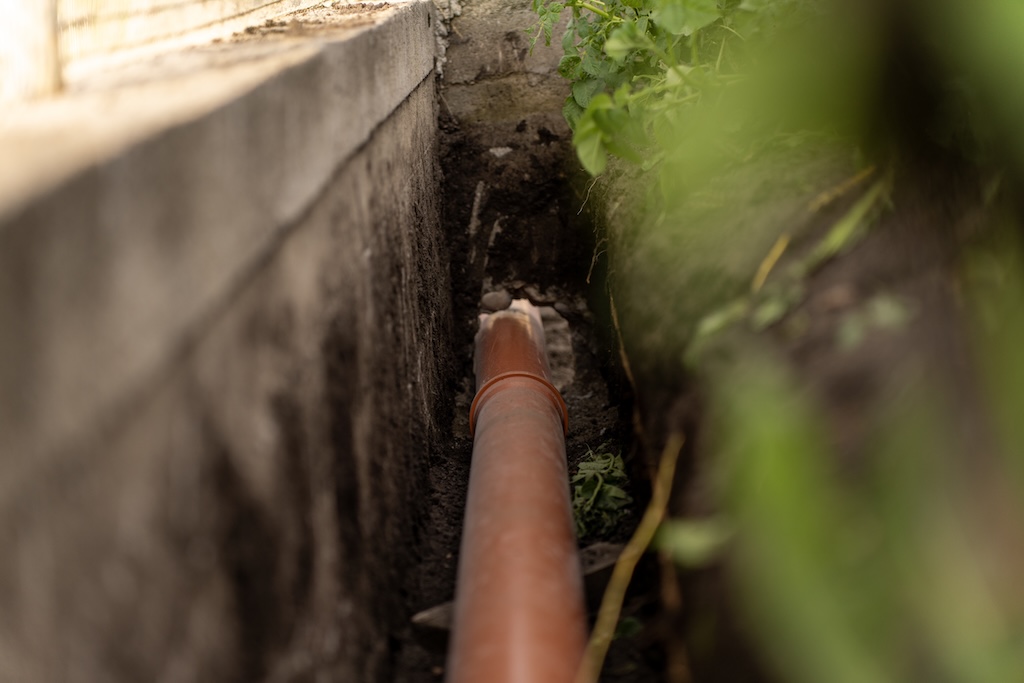
Most Los Gatos homeowners could tell you roughly what their roof is made of. Very few could tell you what their sewer lateral is made of, where it runs, or whose job it is to fix it. That’s understandable. The lateral is the pipe that carries everything from your house out to the public sewer main, and it spends its whole life underground. You only meet it the day it stops working.
Here is what’s worth knowing before that day.
First, the pipe is most likely yours. The public main under the street belongs to the sewer agency, which in Los Gatos is the West Valley Sanitation District. The lateral that connects your house to it is, for the most part, the property owner’s responsibility. Exactly where the line falls, and what the District expects owners to do about cleanouts at the property line, is set by the District, and its website explains it. Look it up before you need it. The answer decides who pays for what.
Second, the pipe may be old. Many Los Gatos homes were built between the 1950s and the 1970s, and laterals from that era were commonly vitrified clay, cast iron or, for a stretch, a tar-paper pipe called Orangeburg. Clay joints let roots in. Cast iron corrodes along the bottom. Orangeburg goes oval and can collapse. None of that shows from the street.
Third, the trees know where your pipe is. Los Gatos has old oaks, many older than the houses around them, and in late summer, after months without rain, their roots go looking for water. A cracked joint in a clay lateral leaks a little moisture into the soil, and a root finds it, gets in, and grows. By the time the first rain comes, the root mass inside the pipe can be large enough to stop the flow.
The early signs are small: A tub or shower that drains slowly while the sinks seem fine. A toilet that gurgles when the washing machine empties. Water appearing in the lowest drain in the house when something else runs. A patch of lawn that stays green through August when everything around it is brown. Any one of those is worth taking seriously, because a partial blockage is far cheaper to deal with than a backup.
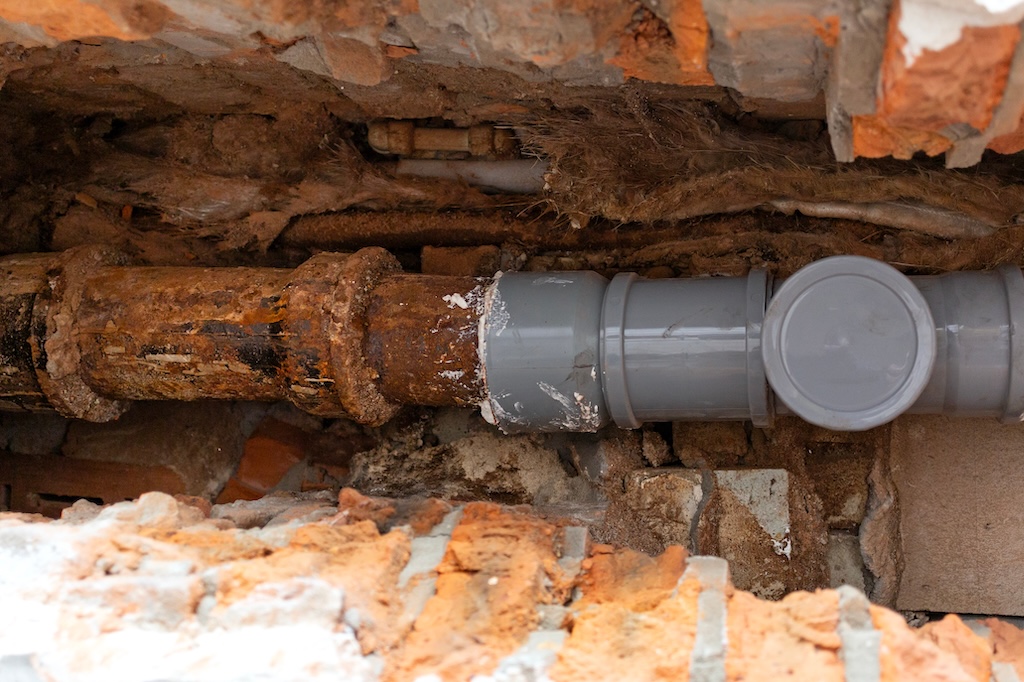
The most useful thing a homeowner can do costs very little: find out where your cleanout is, the capped pipe that gives access to the lateral, often near the foundation or the property line. If you can’t find one, that is worth knowing too. And if your house is more than forty years old and you’ve never had the line looked at, a camera inspection will show you what’s actually down there: the material, the condition of the joints, any roots, any sag.
If you’re buying a house, ask for that inspection before you close. It’s one of the few parts of a home a standard inspection doesn’t see.
The sewer lateral is the most expensive pipe most people own and the one they think about least. A few minutes now saves a much worse morning later.
Abrar Jaigirdar runs San Jose Sewer Line Repair, a homeowner resource on sewer laterals in Santa Clara County: sewerlinerepairsanjose.com