

I’ve loved reading for as long as I can remember. It was my escape hatch—bad day, weird week, whatever, I could pick up a book and just leave for a while. I think a lot of people who grew up as readers know that feeling. What I didn’t fully get until a few years ago is how many kids never get to have that relationship with reading at all. For a lot of kids, it’s not for the lack of trying—more so that no one has slowed down long enough to help them get there.
That’s kind of how this whole thing started, almost by accident. I began helping teachers in the Sunnyvale School District, just tutoring four kids a week after school. Nothing fancy, just sitting with them, going through books together. One of them was a fifth grader reading at a second-grade level. I remember doing the math in my head and just feeling sick about it. By fifth grade, you’re supposed to be reading to learn, not learning to read. He was years behind, but it wasn’t like anyone had noticed and dropped the ball on purpose. He’d just slipped through, quietly, the way I think a lot of kids do. That one afternoon is basically the reason the Literacy Enrichment Program exists.
The idea behind it is pretty simple, even if it took some trial and error to figure out. We match high school volunteers with elementary kids for real, consistent support—the same tutor and the same student each week, for the whole school year. Schools don’t have to build a new program or find extra budget for it. We handle the recruiting; we train the volunteers; we do the matching; and then we just get out of the way and let the relationships do the work. Kids doing better in reading, in my experience, has a lot more to do with someone showing up for them consistently than with any specific curriculum.
Kids who used to groan at reading time were suddenly raising their hands, wanting to read out loud
We piloted it for two years at Bishop Elementary, and the results honestly surprised me. Kids went from below-average to above-average on standardized literacy tests, and teachers kept telling us the bigger shift was attitude; kids who used to groan at reading time were suddenly raising their hands, wanting to read out loud, asking for harder books. That part means more to me than the test scores.
It’s grown a lot faster than I expected—to about 10 school districts for the 2026–27 school year. This upcoming year I’m especially excited about pushing into Campbell-area districts, and we’re starting a pilot at Blackford. My focus there—and, honestly, the focus going forward—is Title 1 schools specifically. Those are the schools where kids are most likely to fall behind and least likely to have extra help waiting for them outside of school. If this program is actually going to matter, it needs to matter there first, not just at schools that already have resources.
We’re also starting a paid tutoring track at select sites, because it didn’t sit right with me that only kids who could afford to volunteer for free would get to be tutors. Some of our best volunteers are ones who never would’ve been able to do this otherwise. Now they can.
Earlier this year, I got to present the program through the California Department of Education’s statewide literacy webinar series. It was a genuinely strange experience, explaining something that started with four kids and a folding table to a room full of educators from across the state. But it also confirmed something I already believed, which is that high schoolers can do a lot more for California’s literacy problem than we usually get credit for. We’re close enough in age that a second grader doesn’t see us as another authority figure, just someone a little further down the road who’s willing to sit with them.
If you’re a teacher, parent, or administrator in a Campbell-area district and think your school could use this—especially if it’s a Title 1 school—I’d love to hear from you.
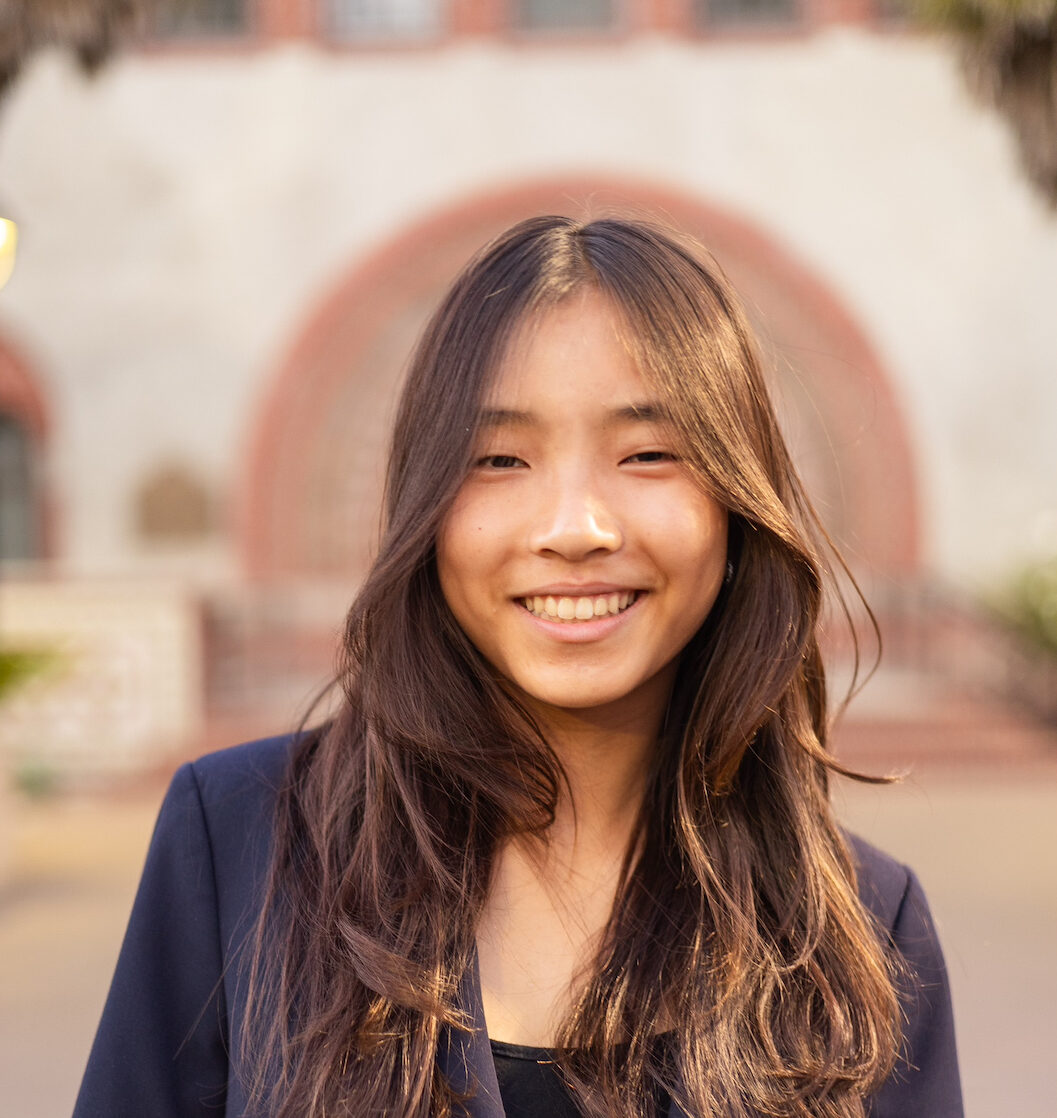
Maddy Chang is a high school student from Sunnyvale, California. She’s interested in the intersection between adolescent illiteracy and policy, and hopes to pursue a career in local government. Contact: ma**************@***il.com