

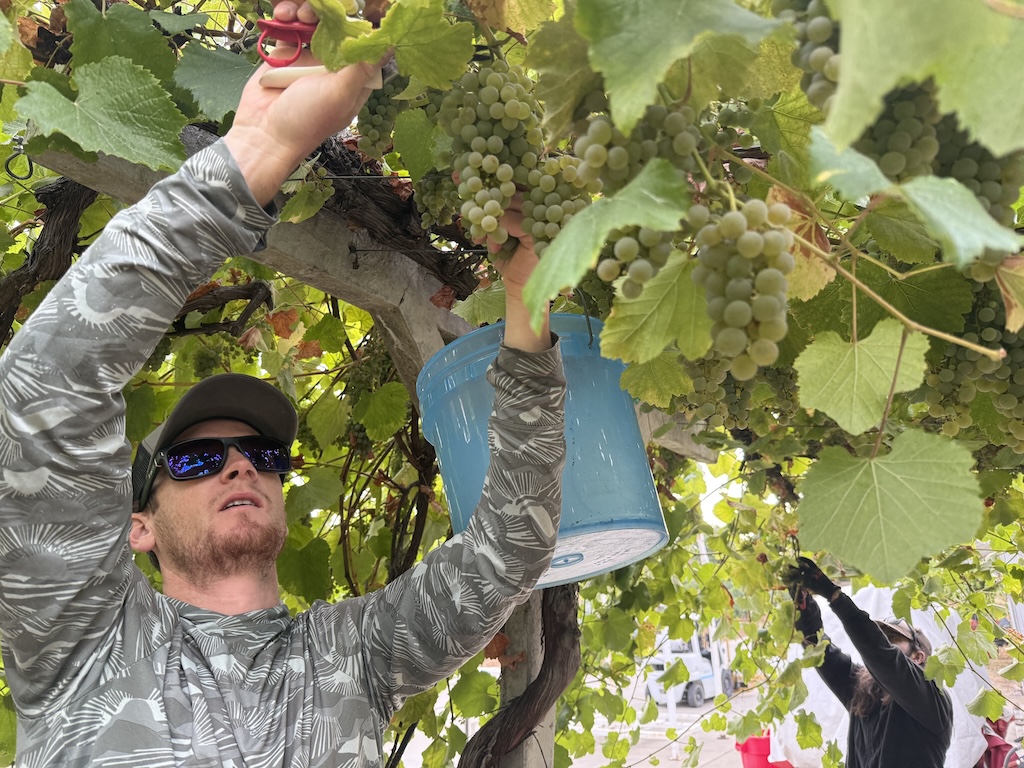
“This was a fairly light harvest in many varieties, especially pinot noir and syrah, but the quality has been overall incredibly good,” viticulturist Prudy Foxx tells us. “The clusters are smaller, as are the berries, and the flavors are quite concentrated.”
Marty Mathis of Kathryn Kennedy in Saratoga was thrilled with his Estate cabernet fruit, which he describes as beyond beautiful. “In all my 50 years of harvesting, I cannot recall seeing such perfect looking cabernet fruit.”
He also praised the color and depth of the merlot fruit he got for his Small Lot Cabernet program from a vineyard in the Los Altos Hills managed by Matt Oettinger of Fernwood Cellars.
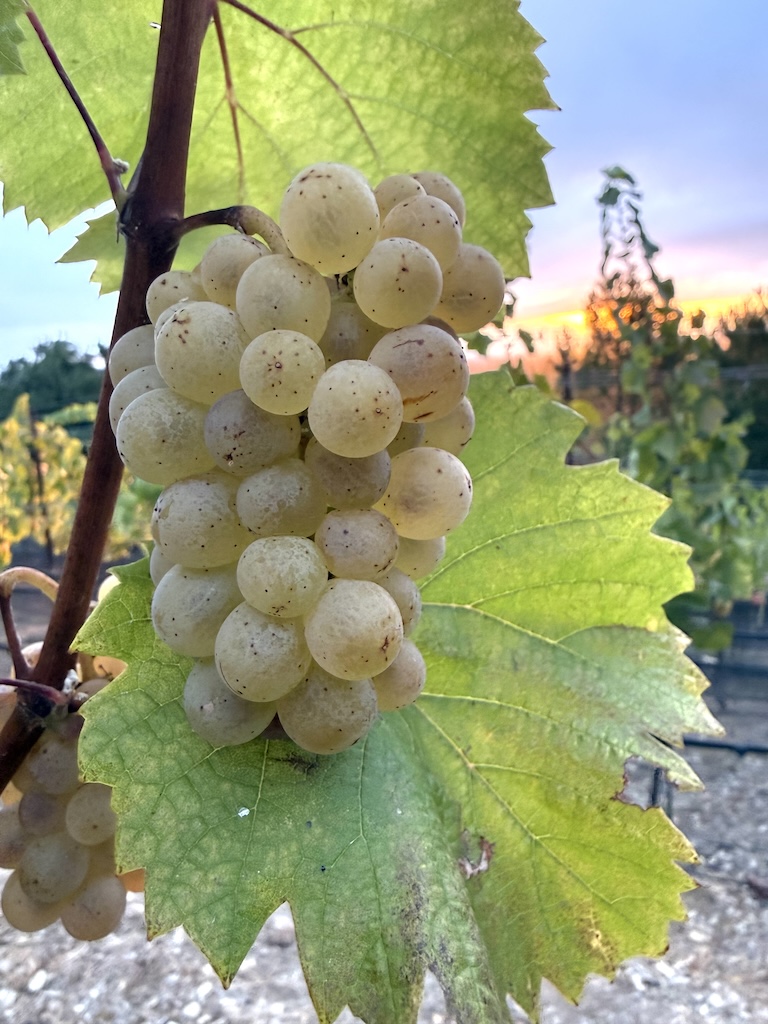
That’s the good news.
Mathis was quite disappointed by a very low yield on the whites, including his estate albariño, Saratoga godello and Imperial Vineyard sauvignon blanc, planted on the shores of Lexington Reservoir. All these wines are made under his M. Mathis Winegrower label. Pretty much all the whites, which tend to flower earlier, were negatively impacted by unfavorable spring weather.
Winter 2026 was late and bifurcated, setting up for a poor crop. January’s heat meant the vines never really shut down for their normal winter rest. This caused budbreak to occur far earlier than normal, only to be met with the cool and wet of February. This was followed by more heat and subsequent vine growth in March. Then a sudden April switch too cool and wet—just when the white varieties were flowering—caused a classic case of shatter, leading to overall poor fruit set.
Growers like Ryan Beauregard in Bonny Doon called it one of the worst harvests ever, as his famed Coast Grade and Bald Mountain Vineyards were decimated. He literally had no crop to sell, and nothing with which to make wine for his own label—except for his estate zinfandel and cabernet (which are later flowering varieties).
Vineyards on the Summit also suffered from the unfriendly grape weather.
Dave Moulton of Burrell School Vineyards told us, “Yields are running about 33-40% of last year,” Moulton reported. He got just two tons off the pinot noir vines. Last year, he harvested seven. He said the estate chardonnay came in at about half of normal, although it was beautiful. “Clearly our poorest yield in 35 years,” he declared.
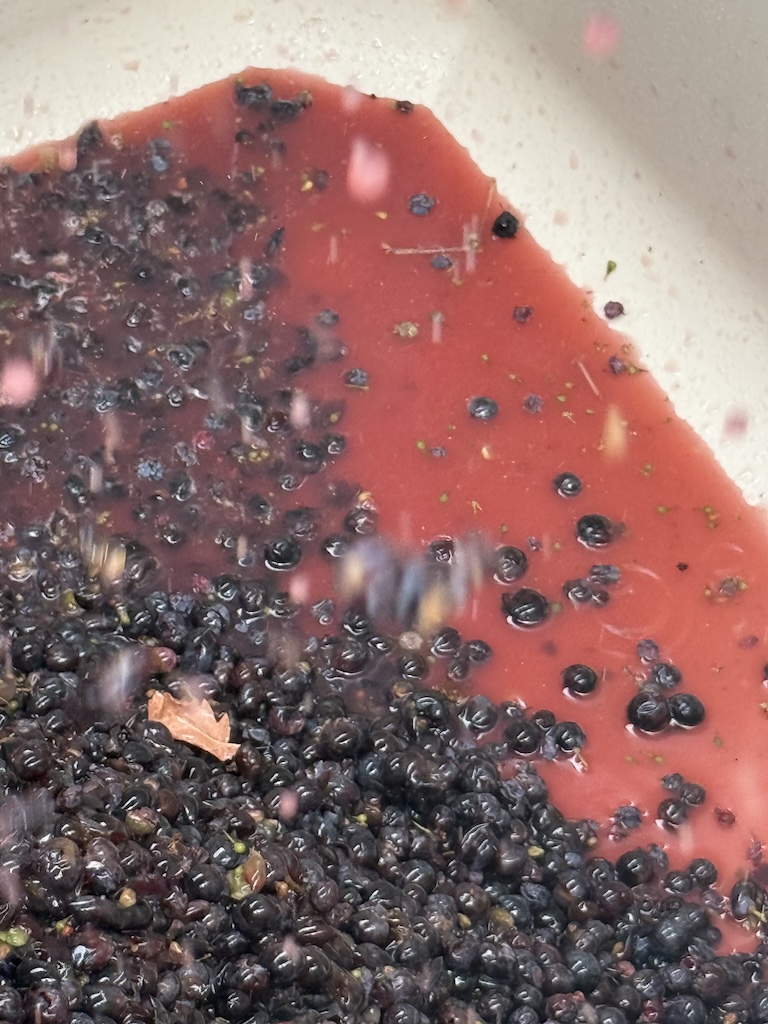
(Marty Mathis)
Across Summit Road, Dan Lockteff, at Wrights Station Vineyard & Winery, reports that the only grapes still in the fermenter are cab franc from Lago Lomita Vineyard. Everything else is already in barrel.
He declared it the earliest and probably smallest harvest ever. “Pinot noir harvest was Aug. 14, two weeks earlier than our previous record,” said Lokteff. “Yields were 20% of last year’s. Chardonnay came in two weeks later—also a record for earliest, with 30% yields. I guess that’s the positive for the year: Chardonnay was 50% better than pinot.”
Vineyard consultant Ken Swegles told us that most of the vineyards at elevation along the Summit area got nailed. “All the pinot noir vineyards were down 75%. The vines up here are always impacted by cold, and we get usually 1.5 tons per acre. But this year, we were lucky to get .25 per acre.”
There was some good news. Although small, the quality was great. Radonich Ranch pinot noir and chardonnay (Summit area) were quite good, despite being a tiny crop.
A particularly splendid crop of chardonnay also came from Larry Carter’s Chestnut Hill, a vineyard on San Jose Soquel just below the Summit area. Foxx tells us it went to John Benedetti of Sante Arcangeli in Aptos.
Swegles told us that the aligoté from Hawk Feather Vineyard in Saratoga was an absolute dream. He also got a meager crop of aligoté and syrah off the Ascona Vineyard on Skyline, a vineyard in the middle of an ownership change.
According to Swegles, the Ascona chardonnay crop was very small—but good. Sadly, the gamay and chenin blanc were a complete loss.
Mount Eden Vineyard apparently experienced very low yields as well, and Swegles reports that the yields from Peter Martin Ray Vineyard in Saratoga were the lowest ever.
Swegles was able to score some nice sauvignon blanc grown by the Dorcich family in the Hecker Pass area of Gilroy. Bates Ranch on Redwood Retreat Road in the very southern portion of the Santa Cruz Mountains growing area yielded beautiful grenache and a great crop of sauvignon blanc as well. These will be produced under the Madson label.
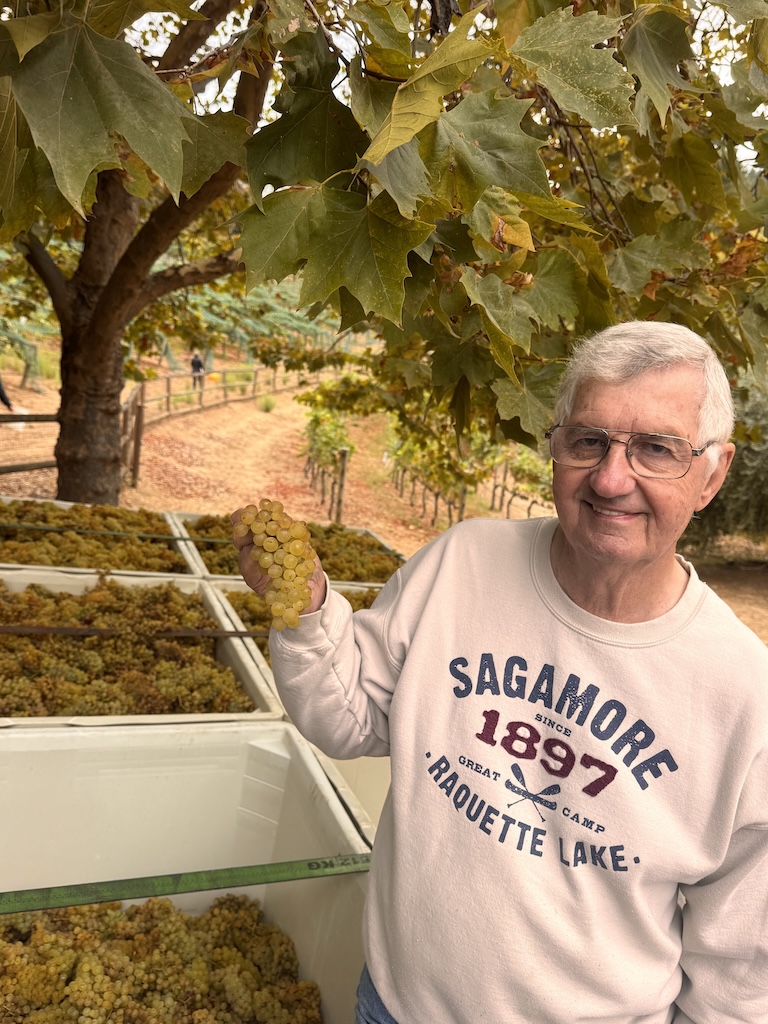
As always, it comes down to location, location, location.
At Thomas Fogarty, where they are celebrating their 45th anniversary and the grand opening of the Redwood Room, they had their earliest harvest ever, with much lower yields, but great quality. The last pick of pinot noir came from Deerheart Vineyard on Alpine Road, with the final chardonnay fruit coming from Hacienda San Gregorio. Winemaker Nathan Kandler reports that the merlot crop was down 40% at Gist Ranch, which was actually better than their pinot noir yields, which were dismal. As usual, nebbiolo was their last pick of the season.
While a small harvest might help ease the grape glut, it’s unfortunately biting the small producers—who’ve seen an uptick in demand for whites—really hard.
Once again, Mother Nature doesn’t care.