

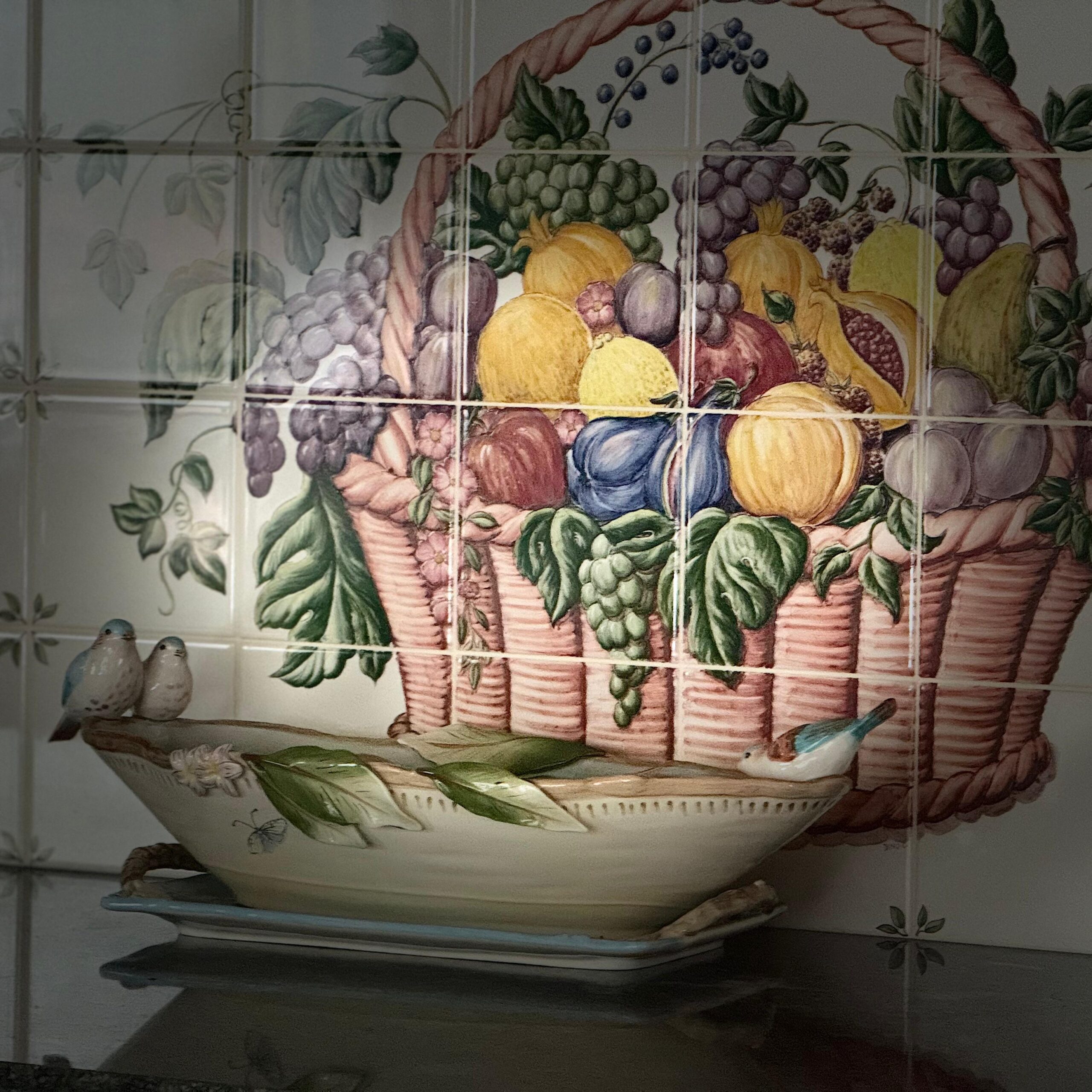
When we were touring our home in Saratoga, the realtor walked us through and pointed out the things that would need updating.
The hand-painted ceramic backsplash in the kitchen, with its fruit baskets and trailing ivy, was dated, she said. The oak parquet floors in the entryway were beautiful, but an example of the kind of detail buyers don’t always look for anymore.
She wasn’t wrong. By the standards she was applying, she was right. These were exactly the details a stager would have suggested removing before listing. And any buyer in a hurry to modernize would have agreed.
But I had walked into a house and realized those were the details that made it feel alive. We bought it. I kept the backsplash. I polished the parquet floors instead of replacing them. Years later, they are still the parts of the house I love most.
What happened during that tour is happening quietly across our towns. And the impact adds up faster than most people realize.
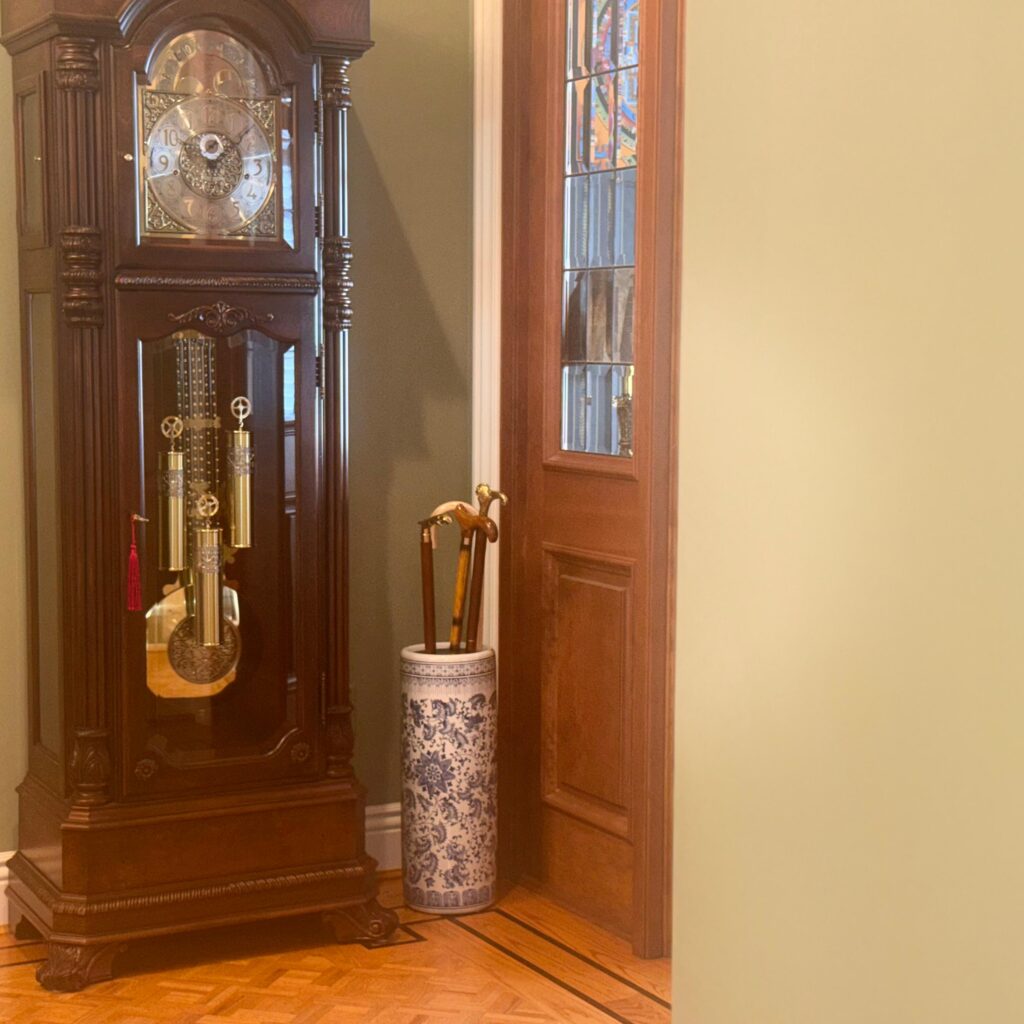
Saratoga and Los Gatos still have an unusual concentration of older homes built with real architectural intention. Hand-finished tile, original parquet, built-in cabinetry, stained glass set into transoms and plaster walls with small irregularities machine-made materials cannot replicate. These were not luxury features when they were installed. They were the standard way thoughtful homes were built. That standard is no longer the default.
When people buy these homes today, the first advice they often receive is to remove those very details before they have lived in the house long enough to understand them. Realtors recommend updates for resale. Stagers suggest removing patterned tile, dark woodwork and original built-ins, because the current market rewards what feels newest. None of them are acting in bad faith. They are responding to a market that consistently rewards homes stripped down toward a generic ideal.
This is not just a local pattern. Writing in Period Homes magazine, preservation expert Jess Phelps of Historic New England has described what he calls “the lamentable practice of purchasing historic properties and remaining generally respectful to the exterior façades while completely reworking the interior.” His warning is direct: a historic façade with a modern interior is “a hollow substitute for the authenticity of its former self.”
He points out three quiet costs. The renovations are wasteful, disregarding the building’s embodied energy before it has reached the end of its functional life. They remove the context that lets a house be read as a historic structure at all. And, counter to what most owners expect, the modernizing changes often produce market consequences in the opposite direction, because original interiors have staying power that outlasts the trends meant to replace them.
(Courtesy of Reeva Sethi)
The cumulative effect, house by house, is what Phelps calls a subtle degradation. Hard to see in a single renovation. Unmistakable across many.
A recent piece in Period Homes profiled an 1843 Greek Revival home in Essex Village, Conn., that had been gut-renovated by six different owners over a decade. By the time the current ones arrived, even the original fireplace mantels had been ripped out. The architect they hired had to imagine a fictional nineteenth-century builder to guide the restoration because so little of the original house remained to study.
That is the destination at the end of a thousand individually-reasonable renovations.
When someone moves into an older home and tells me they plan to update it quickly, my advice is usually the same: “Wait.” Live in the house for a season before tearing anything out. The details someone might suggest you remove could actually be the details that belong in your life.
The architectural character of a town is not lost all at once. It disappears one sensible renovation at a time. A backsplash here. A built-in cabinet there. Original parquet replaced because it feels dated. Stained glass removed because it feels too specific.
Each decision may seem reasonable on its own. Taken together, they determine what future generations inherit.
Most of what is worth keeping has already survived longer than we have. The question is whether we will leave enough of it behind for the people who come after us.
Reeva Sethi is a Saratoga resident and founder of Reeva Sethi Home. She writes about traditional interiors, heritage materials, and the homes of Saratoga and Los Gatos. More of her work can be found at reevasethi.com.