
In late March, I made a stop at Lexington Reservoir to see if the lupin flower meadow I saw last year had bloomed again. I didn’t find the white flowers, but I stumbled upon a dead catfish next to the water.
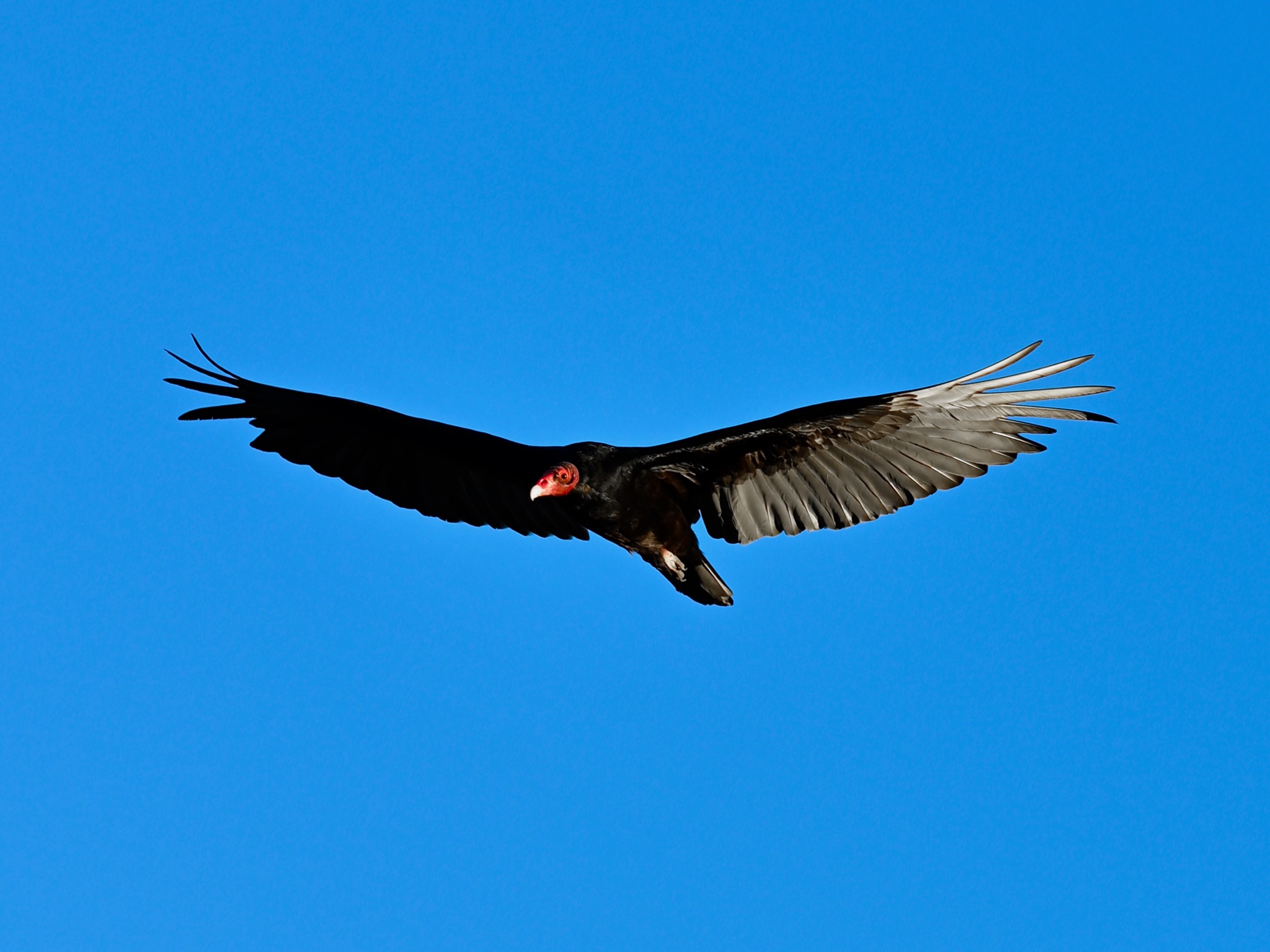
As I walked to a wooden stoop to sit by the water beneath a low-hanging oak branch, I began to notice these red-headed birds with black and white feathers. They fly in circles above me.
Unfamiliar with the nature of turkey vultures, my superstitions kicked in. Was this a bad omen?, I couldn’t help but ask myself. By the time I had finished looking out over the water where the ghost town of Alma once existed 150 years ago, three vultures had devoured the catfish.
I purchased a new Nikon Z6iii in January, after I turned 33. I upgraded the lens to a 120mm zoom, which allowed me to freeze the vultures in motion, as they spread their wings over their fish feast.
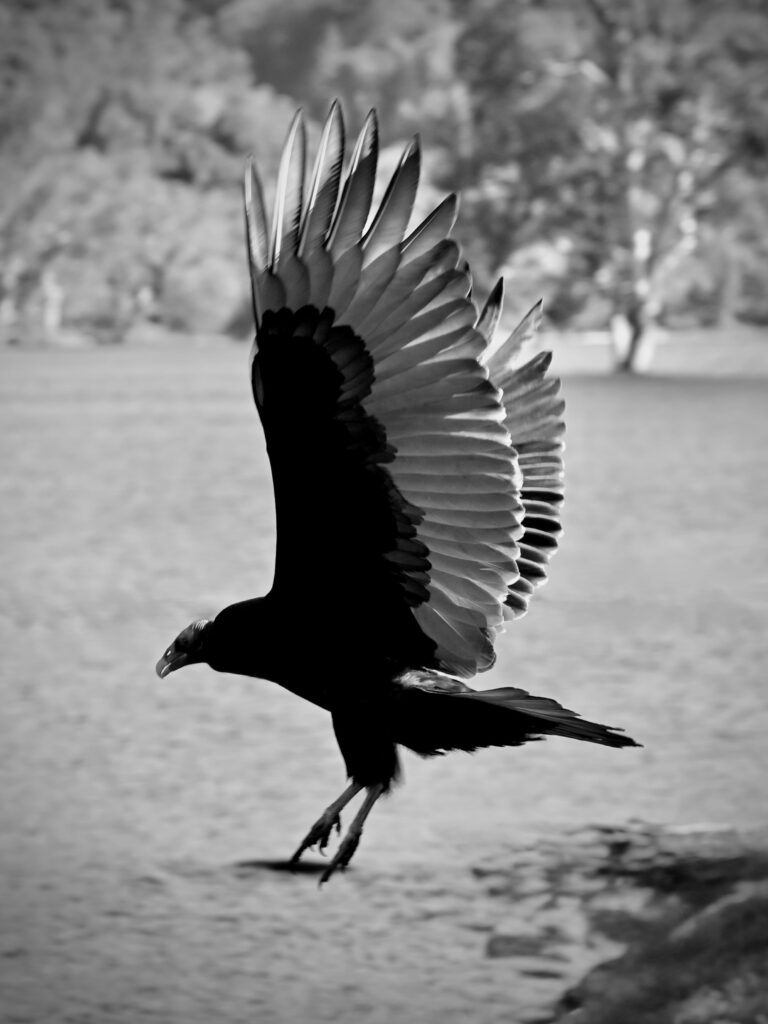
As I scurried back to my car on the side of Highway 17, I left with a heightened sense of awareness. I wondered if this was an ominous experience, or possibly an auspicious one. Though the appearance of the vultures may seem rather intimidating with their bright heads cutting a striking contrast with their black and white feathers, vultures help the ecosystem by notoriously feasting on carrion, AKA decaying flesh. Turkey vultures almost never attack living animals, and impressively manage to avoid diseases that the dead animals may possess. Symbolically, vultures resemble the cleaning of things in a person’s life that no longer served a purpose—dead weight.
Once I arrived home, I quickly went to look at the 100 or so photos on my computer of the vultures, as it was my first encounter with the species. And I would end up returning twice more in the following days and taking more photos.