

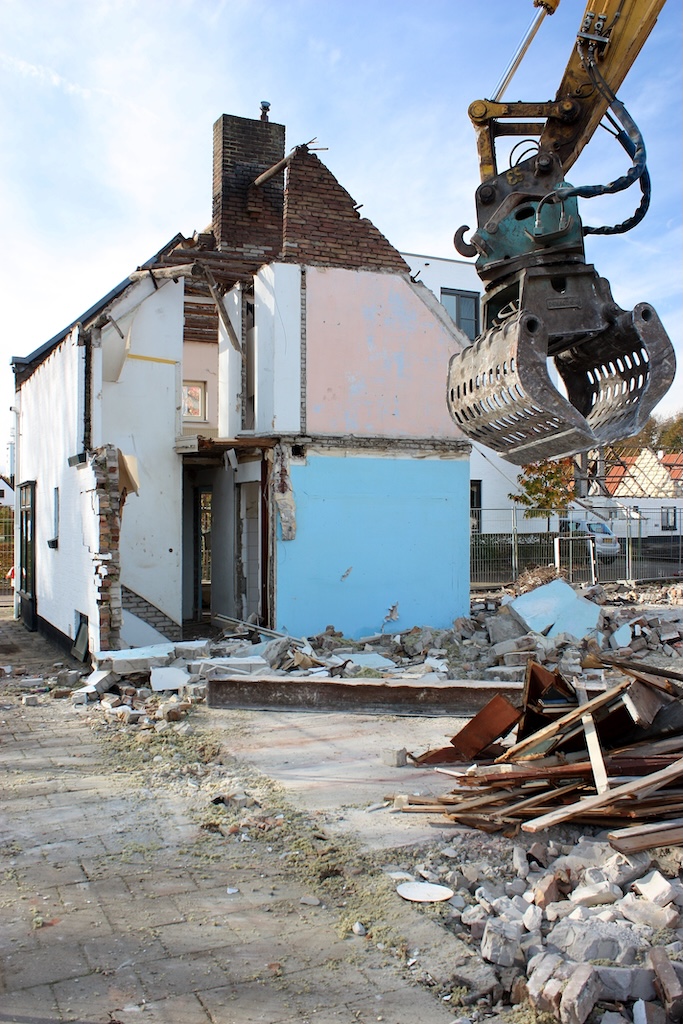
After decades spent as a divorce attorney, I’ve realized that most people view the end of a marriage like a disaster movie: there should be a massive explosion, a dramatic betrayal, or a 1989 Loma Prieta-magnitude earthquake leveling everything. But in my experience, the collapse of a union is much more mundane.
The truth is more like the Highway 17 commute: a series of frustrating stalls, a lack of forward motion and a feeling that despite the high cost of entry, the system is breaking down. Eventually, you’re sitting in gridlock near the Summit.
Marriage is a complex municipality. And like Los Gatos, it requires civic duty.
1. The infrastructure of effort
Early marriage is like a grand opening on North Santa Cruz Avenue. The paint is fresh, the “Open” sign is neon-bright and the vibes are immaculate. You assume the town will always look this good. But any resident of the 95030-95032 knows that the charm of a historic town is an expensive, never-ending endeavor maintained by constant work.
Eventually, the “potholes” appear. In local government terms, if you ignore a cracked pipe under Main Street, you end up with a sinkhole. In marriage, we call this “preventative maintenance.” It’s the Tuesday night check-ins, the active listening when your spouse complains about the neighbor’s encroaching hedge and the willingness to clear the debris after a squabble.
When the “emotional grid” fails, it’s usually because nobody bothered to pay the utility bill of basic attention. Neglect doesn’t make a sound until the floorboards give way.
2. The “better zip code” delusion
In the world of urban planning, when the downtown core gets congested and the infrastructure feels dated, developers want to build something “clean” and “new.”
In a struggling marriage, the temptation is the same. You look at your partner, with their predictable habits, their “aging” conversational infrastructure and their accumulated baggage, and you imagine that a new person would be a “better zip code.” You think the grass is greener in a new development.
The reality check: New builds eventually become old builds. The “spark” of a new relationship is the absence of a shared history of chores and tax returns. If you haven’t learned how to fix a leaky faucet, you are going to bring your wrench-less habits to a more expensive house. In Los Gatos, we value heritage for a reason: depth and character beat a “new build.”
3. The currency of respect
For a community to function, there must be a baseline of trust between the citizens and the town leadership. When that respect deteriorates, you hit a state of emotional inflation.
In an economy with runaway inflation, money loses its value. In a marriage without respect, words lose their value. Apologies are worth pennies. Promises are devalued. You start questioning each other’s intentions, taxing every interaction with suspicion. Soon, nobody is “buying” what the other is selling. You can live in a town with a few unpaved roads and some quirky zoning laws. But you cannot live in a “police state” of constant criticism and contempt. Once the currency of respect is gone, the economy of marriage collapses.
4. The “quality of life” migration
Modern life has made us hyper-aware that time is a limited resource. This creates a “migration pattern” within marriages. People leave because they feel the environment has become stagnant. They look for a better “quality of life.”
For a marriage to endure, it must feel like a dynamic, evolving environment that supports your growth rather than stifling it. If the marriage feels like a restrictive zoning board that won’t let you add a deck or change your career “paint color,” the urge to move becomes overwhelming.
5. From consumer to steward
The biggest reason marriages fail? People act like tourists instead of residents. A tourist visits Los Gatos, complains about the lack of parking, grumbles about the price of coffee at Peet’s and leaves when the weather gets bad. A resident, however, joins the committee, votes on the measures and plants the trees they might never sit under.
The most enduring unions I’ve seen in my practice are built by stewards. They realize that a marriage, like a historic Victorian in Los Gatos, is an ongoing project of repair, with seemingly endless renovations and occasional seismic retrofitting. The beauty of the “Civic Union” is in the shared pride of two people who decided that this patch of earth was worth defending.