
Irvine-based insulin delivery technology company Beta Bionics recently obtained FDA clearance for its new Mint insulin patch pump, opening the door for an official commercial launch in early 2027.
The pump aims to simplify daily blood glucose management for people living with Type 1 diabetes worldwide, though it does introduce drawbacks for users.
To understand the product, it’s important to understand Type 1 diabetes—the reason why such a device is needed in the first place. Type 1 diabetes is one of the most common chronic health conditions worldwide, affecting adults and children alike. It is an autoimmune condition that occurs when the body destroys insulin-producing cells in the pancreas that help control blood sugar levels; however, it can be effectively managed through daily insulin therapy. Common forms include manual insulin injections, tubed insulin pumps that are attached to the body, or, as of recently, tubeless insulin patch pumps. Since the creation of tubeless patch pumps in 2003, continuous innovations have made them more automated and convenient for people living with Type 1 diabetes around the world.
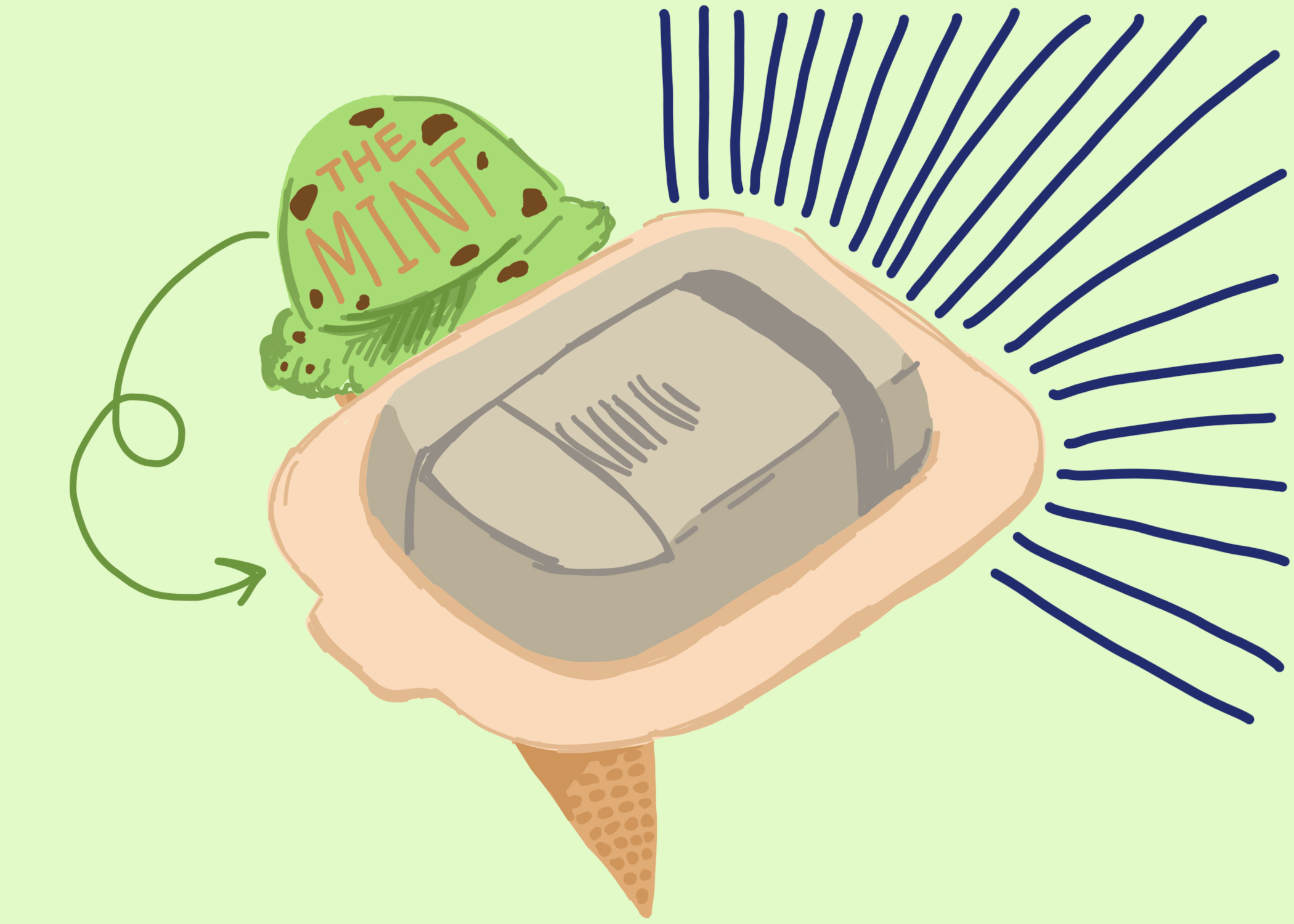
Much like its other patch pump competitors, the Mint pump is placed directly against the skin. It is composed of two parts—a reusable controller and a disposable insulin reservoir—and is cleared for individuals ages 6 and older who require insulin therapy.
It introduces various benefits both for users and the environment:
● Extended Wear Time: The disposable reservoir holds up to 200 units of insulin and is cleared for three days of continuous wear, with an additional 12 hour grace period for device changes.
● No Recharging Required: The reusable controller operates without requiring multiple recharges, reducing daily maintenance and increasing convenience for users.
● Reduced Electronic Waste: By utilizing a reusable controller alongside a disposable reservoir, the design minimizes plastic and electronic waste compared to fully disposable patch pumps.
Modern diabetes management also relies heavily on digital integration, and the Mint pump is no exception. Rather than using buttons on the device, the pump is controlled entirely through an app that is compatible with both iOS and Android, and is also designed to communicate directly with continuous glucose monitors (CGMs) to create an integrated blood glucose management system.
However, there are some drawbacks to the Mint system. Because of its two part design, users have to manage swapping out the disposable reservoir as well as keeping track of the lifespan of the reusable piece. This is completely different from commonly worn competitors like Insulet’s Omnipod 5, which are thrown away entirely once the three day wear period has finished. If the reusable piece is accidentally trashed by users used to fully disposable pumps, their insulin therapy must halt until they get a replacement. Additionally, unlike the Omnipod 5 or Tandem’s Mobi, the Mint relies on an autonomous algorithm. This creates a disadvantage for users who prefer to manually micromanage their insulin doses.
Though the basic Mint hardware has secured FDA clearance, Beta Bionics aims to eventually upgrade the device into a fully automated insulin delivery system known as the Mint 3D. The company has submitted a separate FDA approval application for its 3D Intelligence dosing algorithm. If cleared, this algorithm will allow healthcare providers/clinicians to select from three distinct automated delivery configurations to actively adjust insulin delivery based on live patient CGM trends.
Beta Bionics plans to manufacture at least 1.5 million Mint units during 2027, choosing to distribute the device primarily through pharmacies rather than traditional medical equipment suppliers. As diabetes technology transitions toward more connected, flexible, and automated solutions, devices like the Mint patch pump represent a significant step toward fully integrated digital diabetes care.