

This article was contributed by Fuse Service
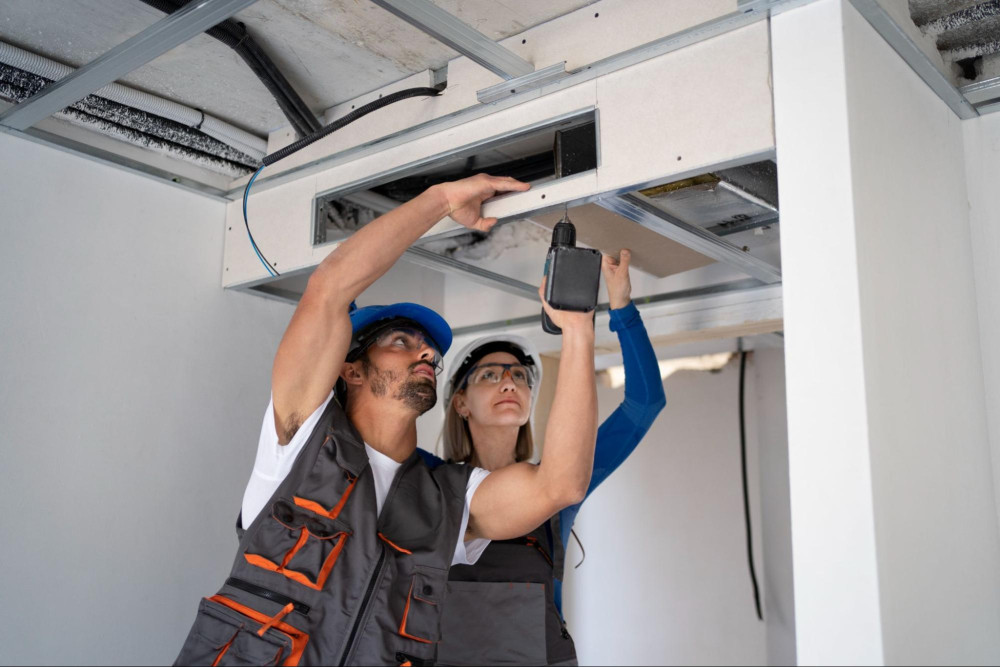
Finding a reliable HVAC contractor feels straightforward until you’ve actually tried to do it. With years of hands-on experience, Fuse Service HVAC, plumbing and electrical has seen how homeowners tend to put off maintenance until a system fails and suddenly, any available technician will do. That’s rarely the best approach.
The HVAC industry has its share of brilliant professionals and, frankly, some who’ll overcharge you for a fix that doesn’t stick. Knowing the right HVAC contractor questions to ask upfront can save you hundreds of dollars and a lot of frustration. Think of it as your HVAC contractor guide before you sign anything.
Are You Licensed, Insured, and Certified?
Start here. Always. A licence confirms the contractor meets minimum competency standards in your region. No licence, no job, full stop. Insurance matters just as much. You want the technician to be covered, not you, if they damage your property or are harmed on the job. Ask specifically about public liability insurance and ask to find out what the current situation of the policy is. Some brands also provide manufacturer certifications for certain brands, which might be useful if your system is still under product warranty.
How Much Experience Do You Have With HVAC Systems Like Mine?
This one’s more nuanced than it sounds. General HVAC experience is good; experience with your specific type of system is better. A contractor who’s spent years on commercial split systems might not be the best fit for a residential heat pump or an older ducted gas unit. Ask how many similar systems they’ve serviced or installed in the past year. If they can’t give you a clear answer, that tells you something.
Can You Provide References and Customer Reviews?
Any decent contractor will have references. What you’re looking for is someone who offers them without hesitation, ideally from customers with similar properties or system types. Online reviews are helpful too, but don’t focus just on the star rating. Read how the contractor responded to complaints. A company that handles a critical review well is frequently more trustworthy than one with a suspiciously perfect rating.
Here’s one easy tip: Ask the reference directly if the final invoice was in line with the original quote. That’s where a lot of HVAC jobs go wrong.
What Is Included in Your Estimate?
Put it in writing. A verbal quote means nothing when the bill arrives and there are three extra line items you didn’t expect. A good written estimate should list out parts, labor and any expected extras such as disposal costs for obsolete equipment or changes required to existing ductwork. If a contractor gives you a vague number and says, “We’ll work out the details once we get started,” that’s a red flag.
This is also where an HVAC contractor checklist might help. Cross-comparing what’s covered to a common checklist lets you discover holes before work starts.
Do You Offer Warranties and Service Guarantees?
There are two separate things here: the manufacturer’s warranty on parts and equipment, and the contractor’s own workmanship guarantee. Both matter. A new unit might carry a five-year manufacturer warranty, but if the installation is shoddy, you’ll have problems that the manufacturer won’t cover. Ask what the contractor guarantees on their own labor and how long that covers you. Anything less than 12 months on workmanship should raise an eyebrow.
How Will You Determine the Right HVAC Solution for My Home?
This is one of the HVAC contractor questions that separates the knowledgeable professionals from those just trying to sell you the most expensive unit on their truck. A good contractor should carry out a proper load calculation accounting for your home’s size, insulation, orientation, and climate before recommending any system. If they take a quick look around and immediately quote you a specific model, push back. Proper sizing prevents inefficiency, uncomfortable rooms, and premature system failure.
What Is Your Project Timeline and Communication Process?
No one wants a half-installed heating system on a cold weekend because a contractor overcommitted himself. Ask for a realistic start date, an expected completion time and most crucially, who to call if things go wrong mid-project. One of the most typical complaints in trade employment is communication breakdowns. “Knowing there is a clear point of contact helps a lot.”
In Conclusion
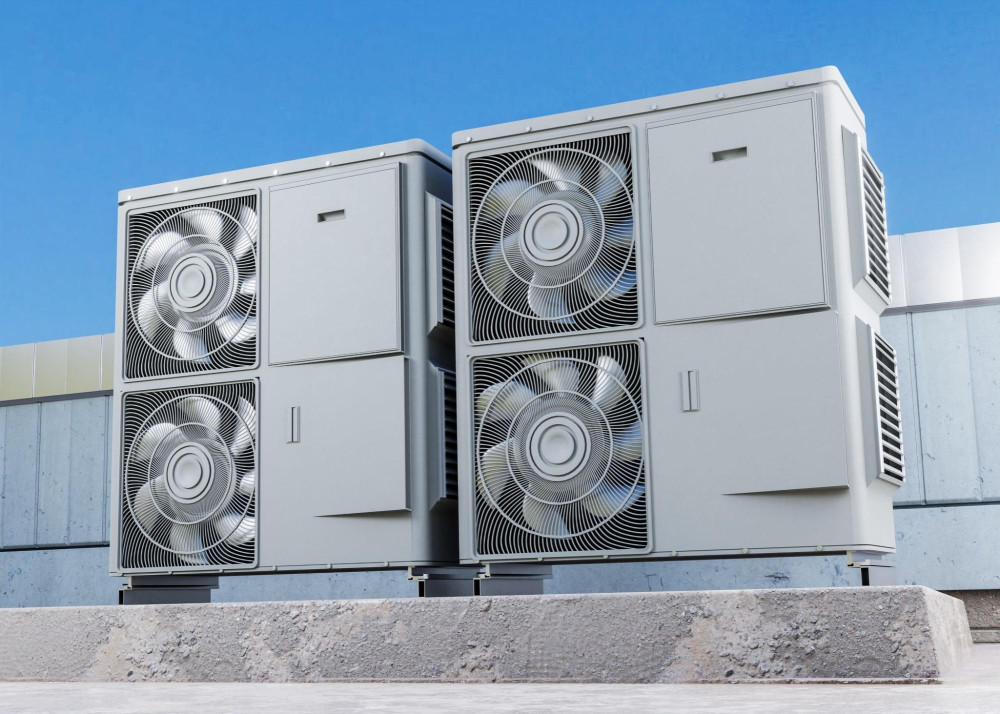
There are plenty of HVAC contractors available, but not all of them are worthy of your business. A good HVAC contractor guide is more about having a proper conversation before anything is agreed upon than it is about checking boxes. Although the aforementioned seven questions won’t ensure flawless work, they will weed out those who are likely to cause issues. Do the homework upfront. Your future self and your heating bill will thank you.
The editorial staff of the Los Gatan was not involved in the creation of this content. The content is for general information and does not constitute the financial, medical or professional advice of this publication. Readers should consult qualified professionals regarding their individual circumstances. The Los Gatan disclaims any liability for loss or damage resulting from reliance on this content.